

Climate action is everywhere in Dane County: 81% of people in Dane County live in a municipality with a sustainability committee. Additionally, more than three fourths of our children attend school districts that have climate goals and have invested in clean energy technologies.
School districts and municipalities have a large influence over our communities. What's more, building energy efficient schools or city infrastructure provides more affordable and healthier work and community spaces for everyone. When communities lead by example they encourage constitutents to adopt sustainable practices across homes and businesses too. And then the whole community wins.
Local governments and schools might set goals relative to their own operations, to their whole community, or both. Within each category, goals might focus on reducing energy use, transitioning to renewable electricity, transitioning to renewable energy (electricity + other forms of energy like transportation fuels), reducing greenhouse gas emissions or some combination of those objectives.
Explore below to see how you can get started and learn from other local governments and districts that are doing sustainability work.
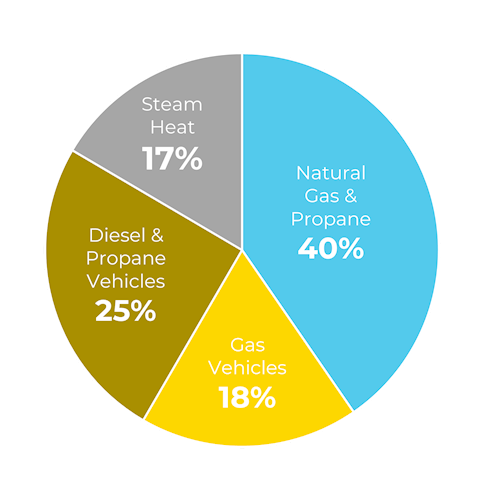
2025 Dane County Operations Emissions (with 100% renewable offset electricity)
The first step is to understand your baseline - how much energy is consumed in your buildings? How much fuel do you use in vehicles annually? And how does your usage compare to similar districts or communities? Establishing a baseline usage will enable you to compare your usage with your peers, set realistic goals, and then track progress towards those goals.
Focus on Energy offers resources for school districts and local governments. Focus on Energy can help entities understand how their usage compares to others and then offer incentives and technical support to make updates more affordable.
Once you establish your baseline usage, create a mechanism to track that usage over time. Free tools like ENERGY STAR Portfolio Manager can help you track energy and water use in buildings. Monitoring usage enables you to verify savings from your efficiency projects and track your progress against your goals.
Setting public sustainability goals is critical to achieving results. Be clear about how you are defining sustainability because the term sustainability means different things to different people. Sustainability might mean that your building meets a specific performance standard (Net Zero or Passive House or LEED, for example). Or you can make efficiency an official policy. For example, staff should always choose equipment that delivers the best long-term value. You can create a life cycle analysis policy so that your staff are always comparing the purchase price with the cost to operate the equipment over its lifetime.
Next, share your emission commitments with others who can hold you accountable because when communities set climate and clean energy goals, achieving those results becomes more likely.
One way to reduce emissions is to transition your light-duty vehicles from gasoline to hybrid electric or battery-electric options. By switching over to an electric vehicle, you're saving money on fuel and maintenance. Wisconsin Clean Cities has resources to help you calculate savings and identify vehicles that will work for you
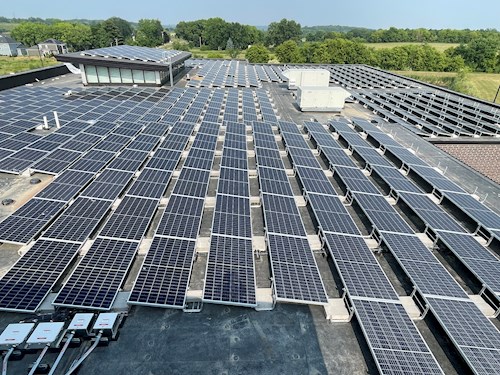
You can power your operations with renewable energy by installing a renewable energy system at your facility. Not only do renewables reduce carbon emissions, but federal funding resources are still in place that can make new renewable energy projects more cost-effective. Moreover, a solar installation is a great visual marker that can represent a commitment to sustainability.
Employee travel contributes to your emissions, including both employee commuting and travel to attend meetings and other work-related events. Take action to reduce both kinds of emissions:
Businesses use resources to create valuable products and services. Businesses thrive when they match the resources used to the products sold. Likewise, business are most profitable when they don't use more energy or water than necessary for operations. Optimizing resource use reduces your operating costs and improves profitability. Reducing our waste and ensuring that the waste we do produce is disposed of properly can help us to reduce emissions, save valuable space in landfills, and often times save money too!
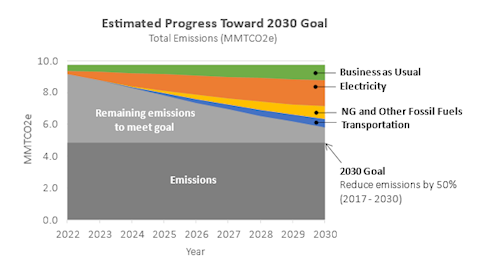
Created by ICLEI, ClearPath is a platform that helps local governments track their emissions data in a clear and efficient manner.
Learn about the federal funding (including Elective Pay credits) that can reduce the cost of facility upgrades. Elective Pay is still available although there are new restrictions and deadlines for some types of credits
The Climate Champions program recognizes local entities that are leading on climate action. Our aim is to celebrate local leadership and inspire action from individuals, government, schools, businesses, and nonprofits across Dane County. Whatever climate action you are taking and whether you are a business, nonprofit, or local government, we want to applaud your efforts!
Learn More
Dane County helps foster community connections through the Sustainability Leaders Collaborative (SLC), which is a partnership of the cities, towns, villages, and school districts across Dane County. SLC facilitates collaboration, enabling all Dane County communities to achieve their sustainability goals by sharing resources and working together to reduce emissions and increase resiliency.
Read about how other school districts and local governments have been achieving their sustainability goals! Or if you have a story you want to share, click here.
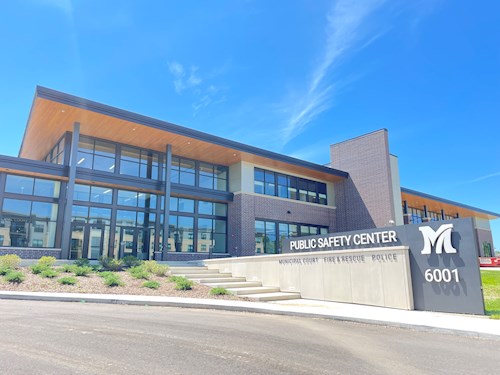
McFarland decided to move forward with the net-zero design choice because they recognized that in addition to the positive public health and environmental outcomes, the operating expenses of a net-zero building are typically lower, offsetting the upfront costs.
Read More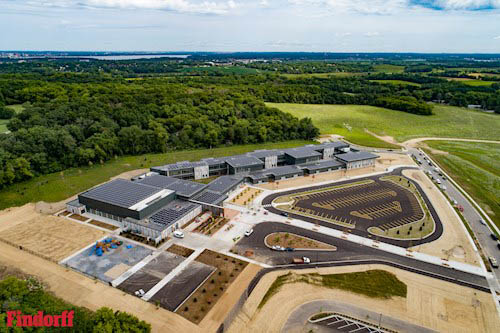
The Oregon School District Superintendent Dr. Leslie Bergstrom shared, "The school has been designed to efficiently use and conserve energy. In fact, it is a "net zero" building, which means it will produce at least as much energy as it uses in a year."
Read More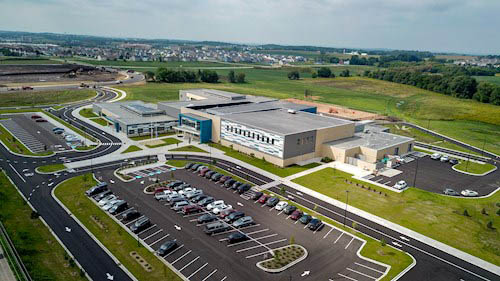
The district’s two new elementary schools, Meadow View Elementary (right) and Token Springs Elementary (below), both feature energy efficient design and energy-saving practices and both use about 75% less energy than a typical primary school
Read More
A LEED Platinum building, Fire Station 14 is a model of energy efficiency and environmental sustainability for the Fire Department and the City of Madison. The design process for this project followed the AIA Framework for Design Excellence (formally known as the COTE Top 10).
Read More